

Sight vs Sound: How Stories Shape Our Brains
Stories hit differently depending on how they reach us—through our eyes or ears. Visually, like in films, the brain’s visual cortex decodes a rush of images—colors, faces, motion—processed across the occipital, parietal, and temporal lobes. This sensory flood makes memories vivid and emotionally potent, sticking in the hippocampus like a snapshot. Hearing a story, though, lights up the auditory cortex, leaning on imagination and language centers like Broca’s area to build the world ourselves, crafting a personal, lingering memory.
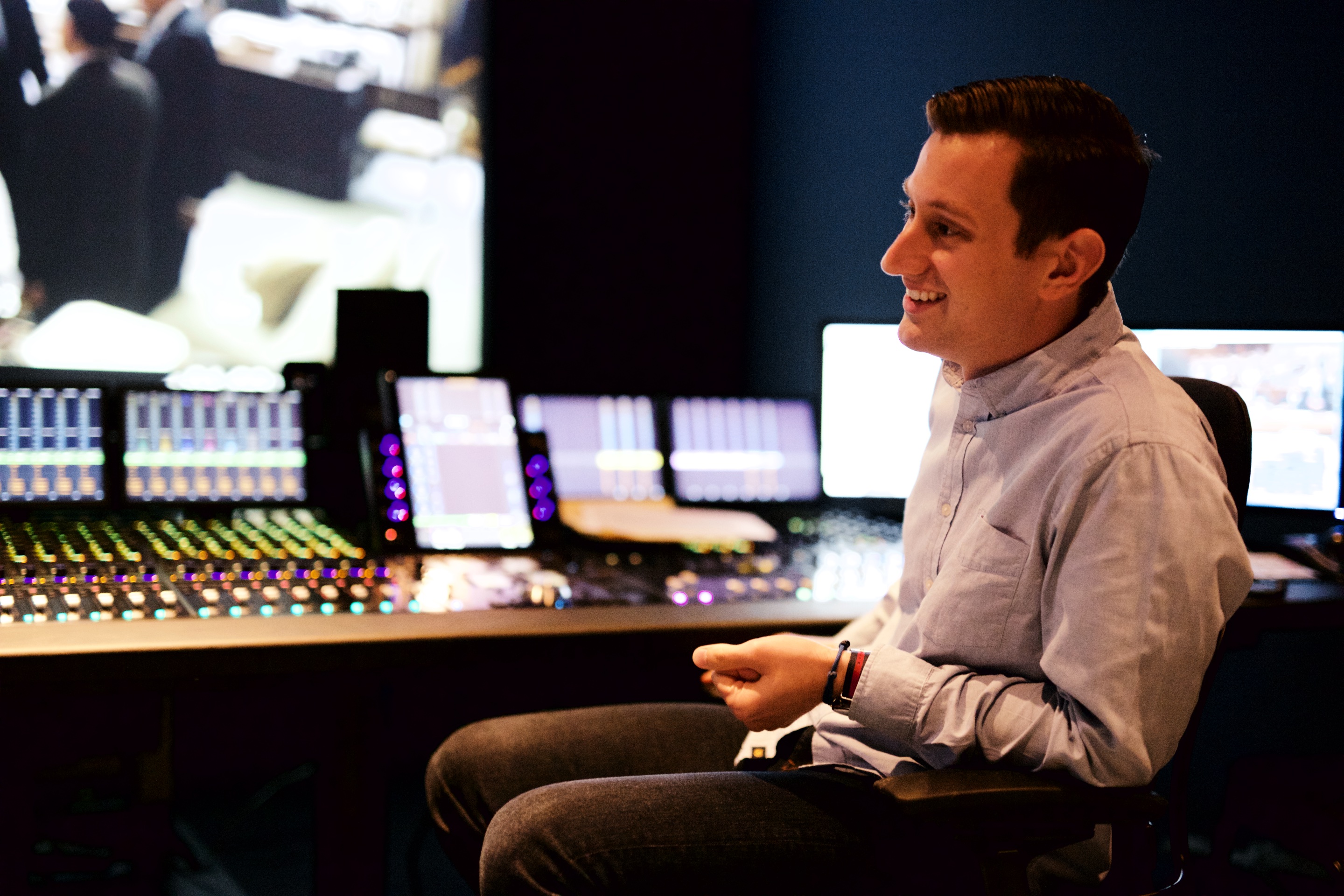
Growing up, I loved radio dramas, picturing every creak and whisper in my mind. Even now, I listen to books and podcasts daily, fascinated by how sound alone sparks such rich worlds. For most of history, stories were oral, and that legacy lingers in how deeply audio resonates. In films, ads, or features, sound isn’t just background—it’s a cornerstone. Early brainstorming about a scene’s audio can amplify its emotional punch, proving that while visuals dazzle, sound roots a story in our souls.
 Farmhouse Sound